
Every relationship goes through difficult periods, but it is not always easy to tell whether you are facing a normal disagreement or a pattern that may need more support. Some couples wait until frustration and resentment have built up, while others reach out earlier because they want to understand what is happening before the same issues become harder to manage.
One of the questions couples often ask is, “How do we know when it is time to get help?” There is no single answer, but certain signs can suggest that having a neutral space to talk things through may be helpful.
Common Signs It Might Be Time for Relationship Counselling
It is not always easy to tell when a relationship challenge needs extra support. Repeated arguments, growing emotional distance or unresolved tension may be signs that it is worth talking things through with a counsellor. Paying attention to these patterns early can help you and your partner better understand what is happening between you.
Frequent or Unresolved Arguments
Disagreements are normal, but it can become exhausting when you keep having the same argument without feeling any closer to resolving it. Sometimes, the real issue is not the chores, money or plans themselves, but what those conversations bring up underneath, such as feeling unappreciated, unsupported or unheard.
Relationship counselling can help you slow these patterns down, understand what is driving them and find different ways to respond to each other.

Growing Emotional Distance
Not every relationship difficulty involves frequent arguments. Sometimes, the change is quieter. You may start to feel more like housemates than partners, or notice that most conversations are about schedules, responsibilities and practical matters rather than how you are actually feeling.
Because emotional distance can build gradually, it is easy to overlook. Counselling can give you both space to reconnect and talk about what may have changed between you.
Breakdown in Trust
Trust can be affected by infidelity, financial secrecy, broken promises or other experiences that leave one partner feeling hurt or uncertain.
Moving forward usually takes more than simply agreeing to “put it behind you.” Counselling can help both of you talk about what happened, understand the impact it has had and explore what rebuilding trust might look like for your relationship.
Major Life Transitions
Even positive changes can place pressure on a relationship. Having a baby, moving home, blending families, changing careers or caring for ageing parents can shift your routines, responsibilities and expectations.
Counselling can help you talk through these changes together, especially when you feel as though you are adjusting at different speeds or carrying different expectations.
Feeling Unheard or Misunderstood
You may be talking often but still feel as though your partner does not really hear what you are trying to say. Conversations can quickly become defensive, frustrating or emotionally draining.
Often, the difficulty is not simply finding the right words. It may be about recognising the communication patterns that keep getting in the way. A counsellor can help both of you express yourselves more clearly and listen in ways that make it easier to understand each other.
Is It Too Early (or Too Late) to See a Relationship Counsellor?
You do not need to wait until the relationship feels like it is in crisis before considering relationship counselling. Reaching out earlier can give you both space to address recurring patterns, improve communication and work through concerns before more hurt or resentment builds up.
At the same time, seeking support later does not mean you have missed your chance. Even when a relationship feels strained, counselling can provide a structured space to understand what has happened and explore what comes next. What matters most is that both partners are willing to take part honestly and engage with the process.
Get Support Before Things Feel Overwhelming
If any of these signs feel familiar, it may be worth talking with your partner about relationship counselling. You do not need to wait until things feel overwhelming. Reaching out earlier can give both of you space to understand what is happening and work through concerns before they become harder to manage. Get in touch with us today to arrange a session with our relationship counsellor, Cassandra Chiu.
Frequently Asked Questions Relationship Counselling
How do we know if we need a relationship counsellor?
Signs such as frequent unresolved arguments, growing emotional distance, or a breakdown in trust are all common reasons couples decide to seek support. If a pattern keeps repeating despite your best efforts to address it on your own, that often signals that outside support could help.
Is it too early to see a relationship counsellor?
No. You do not need to wait until problems feel serious before seeking support. Reaching out early can help you address concerns sooner, strengthen communication and prevent unhelpful patterns from becoming harder to change.
Do both partners need to attend every session?
Joint sessions allow us to work on the relationship together. I may also suggest individual meetings when they help us understand the concerns more clearly. These meetings remain part of the couples work and follow the confidentiality arrangements we agree in advance. They are different from separate individual counselling.
How long does relationship counselling usually take?
Every couple moves at their own pace. Some may begin to notice changes within the first few sessions, while others may benefit from more time to work through deeper or long-standing concerns.
What if my partner is hesitant about counselling?
It's common for one partner to feel unsure at first. Having an open conversation about what's motivating the idea, and framing it as support for the relationship rather than blame, can help ease that hesitation. Sometimes it also helps to suggest starting with a single trial session, so your partner can get a better sense of what counselling is like before deciding whether to continue.
Our Counselor
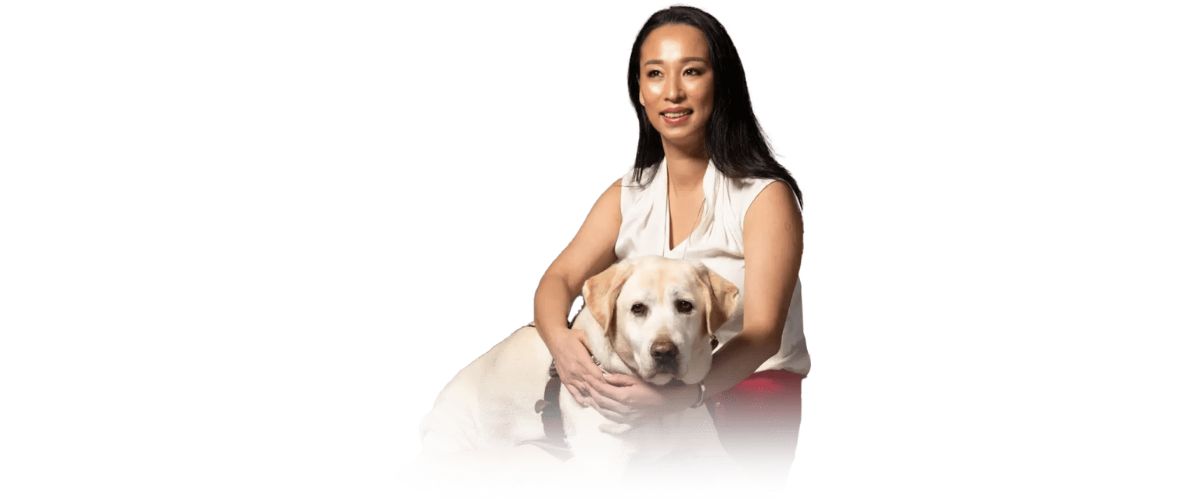
Cassandra Chiu
Marriage and Relationship Counsellor
Registered Counsellor with the Singapore Association for Counselling
Cassandra Chiu is a registered counsellor with over 15 years’ experience supporting individuals and couples in Singapore. She holds a Master’s in Professional Counselling and has completed Gottman Method Couples Therapy Level 1 and Level 2 training. Her approach is warm, direct and purposeful, helping clients navigate difficult conversations, understand relationship patterns and work towards meaningful change.

