
In many relationships, conflict rarely appears out of nowhere. It often builds quietly through small misunderstandings, unspoken expectations and the pressures of daily life. Over time, conversations that once felt easy may become more guarded or repetitive, leaving both partners feeling stuck in the same cycle. Even strong marriages can begin to feel the strain when communication weakens or emotional connection starts to fade.
While differences between partners are inevitable, how they are handled can shape the overall health of the relationship. With the right support and guidance, many couples are able to move from recurring conflict towards greater understanding and more meaningful communication.
Common Causes of Marital Conflicts
Many couples do not struggle with marital conflicts because of a single issue, but because of patterns that repeat over time. These patterns can quietly shape how partners respond to each other during stress.
Common causes include:
- Communication Breakdown: Misunderstandings can arise when needs are not clearly expressed or when conversations turn defensive rather than constructive.
- Financial Stress: Different attitudes towards money, spending habits or future planning can create ongoing tension.
- Parenting Differences: Conflicts may arise from different approaches to discipline, education or how children should be raised.
- Emotional Disconnection Over Time: When appreciation and understanding feel absent, partners may begin to feel distant even in the same household.
- Family Influences That Add Pressure: Managing expectations and boundaries with extended family can be a source of strain, especially in close-knit households.
How Marriage Counselling Supports Couples

Marriage counselling focuses on helping couples communicate more effectively and respond to each other in healthier ways, particularly during challenging moments. The aim is not simply to reduce arguments, but to foster more constructive interactions, deeper understanding and stronger emotional connection.
The counselling process typically supports couples by:
- Identifying Negative Cycles: Couples gain clarity on how certain triggers lead to familiar cycles of reaction and misunderstanding.
- Developing De-escalation Skills: Techniques are introduced to help partners stay calmer and communicate more effectively during disagreements.
- Fostering Empathy: Partners are guided to better understand each other’s perspectives, especially during periods of tension.
- Clarifying Boundaries: Clear expectations are set around communication, personal space and external influences such as work or family.
Practical Techniques for Conflict Resolution
In counselling sessions, couples are often introduced to practical tools that can be applied in real-life situations outside the therapy room.
- Starting Conversations More Gently: Learning to express concerns without blame helps reduce defensiveness and opens the door to better dialogue. For example, saying “I feel overwhelmed when plans change at the last minute” instead of “You never plan properly” can reduce defensiveness.
- Active Listening: Each partner practises listening to understand rather than listening to respond. This helps ensure both sides feel understood before trying to solve the issue.
- Separating Issues That Can Be Solved: Couples learn to distinguish between practical problems that can be addressed and deeper differences that require acceptance and understanding.
- Being Open to Each Other’s Input: Healthy relationships often involve compromise and willingness to consider different viewpoints.
Finding the Right Marriage Counsellor in Singapore
Choosing the right counsellor can influence how comfortable and supported both partners feel throughout the process. It is important to choose someone who understands relationship dynamics and provides a balanced, structured approach.
Helpful considerations include:
- Look for Relevant Training: Choose a counsellor with specific experience or certification in marriage or family therapy, especially those using structured, evidence-based approaches.
- Consider the Environment: A calm, neutral and confidential setting helps both partners feel comfortable sharing openly.
- Check for a Structured Approach: A good counsellor will usually begin with a thoughtful assessment of your relationship rather than offering immediate advice.
- Ensure Both Partners Feel Heard: It is important that each of you feels understood, with both individual concerns and shared goals recognised.
Finding the right fit can make counselling feel more supportive, balanced and productive for both partners.
Moving Forward with Greater Understanding
Every relationship experiences difficult seasons, but repeated conflict does not have to define what comes next. With the right support, couples can learn to communicate more openly, understand each other more deeply and rebuild emotional closeness over time.
If you and your partner are ready to navigate challenges with greater clarity and care, reach out to Cassandra Chiu at The Counsellors to explore how counselling can support your relationship and help you move forward together.
Frequently Asked Questions
When should we consider seeking professional help?
It may be helpful to seek support when the same conflicts continue without resolution or when emotional distance begins to affect daily life.
Is marriage counselling expensive?
Fees can vary depending on the practitioner, their experience and the type of support provided. Many couples see counselling as a worthwhile investment in the long-term health and stability of their relationship.
What if my partner refuses to attend sessions?
It is not uncommon for one partner to feel unsure at first. Even so, individual sessions can still offer valuable tools to improve communication and create positive shifts within the relationship dynamic.
How long does it take to see improvements?
We begin by identifying what needs to change and agreeing goals for our work together. Some couples notice changes within the first few sessions. Deeper or longstanding concerns may need more time, and we review progress together rather than working towards a fixed deadline.
Is everything we say in counselling confidential?
Your privacy is respected, and I explain confidentiality and its safety and legal limits before we begin. In couples counselling, the relationship is the focus of our work. I do not take sides, pass messages between partners or agree to keep information that is important to the relationship secret from the other partner. If something significant arises in an individual meeting within our couples work, I will help you prepare to address it together. This does not mean every private thought needs to be shared. Where there is abuse, coercive control or fear, safety takes priority and joint disclosure may be inappropriate or unsafe. If significant information cannot be addressed in our joint work, we review whether couples counselling can appropriately continue. We agree these arrangements before starting.
Meet Our Counsellor
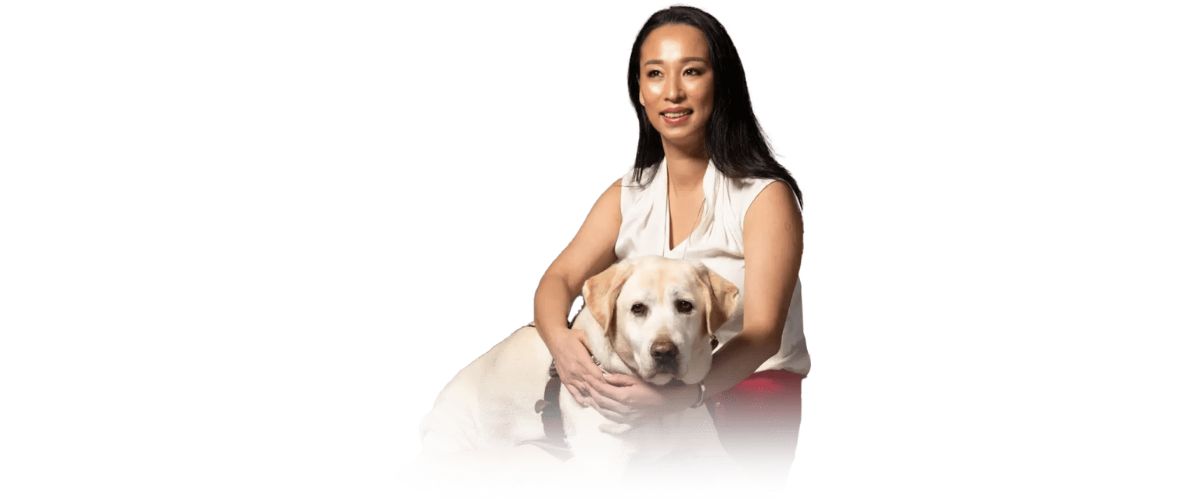
Cassandra Chiu
Marriage and Relationship Counsellor
Registered Counsellor with the Singapore Association for Counselling
Cassandra Chiu is a registered counsellor with over 15 years’ experience supporting individuals and couples in Singapore. She holds a Master’s in Professional Counselling and has completed Gottman Method Couples Therapy Level 1 and Level 2 training. Her approach is warm, direct and purposeful, helping clients navigate difficult conversations, understand relationship patterns and work towards meaningful change.

