
Do you find yourself having the same disagreement with your partner again and again, only to wonder how such a small issue turned into another tense evening? Perhaps conversations feel shorter than they used to, affection has faded into routine or misunderstandings seem to happen more easily than before. Many couples care deeply for one another but still struggle with communication, emotional distance or recurring conflict. When this happens, professional support can offer a constructive way forward.
One recognised approach used in couples counselling is the Gottman Method. Grounded in decades of relationship research, it helps partners understand unhealthy patterns, strengthen emotional connection and learn practical tools for navigating challenges together.
How the Gottman Method Supports Couples Therapy
The Gottman Method is a structured, evidence-informed approach used in relationship counselling. Developed by Drs John and Julie Gottman, it aims to help partners strengthen their relationship and manage conflict more effectively.
At the heart of this model is the Sound Relationship House, a framework that highlights the foundations of healthy and lasting relationships. During therapy, counsellors use these principles to identify areas of strain and guide couples towards healthier ways of relating.
Key components include:
Building Love Maps
This involves understanding your partner’s inner world, including their worries, hopes, pressures and personal goals. Staying curious about each other helps maintain closeness, especially during busy seasons of life.
Sharing Fondness and Admiration
Relationships often become stronger when appreciation is expressed regularly. Recognising effort, kindness and positive qualities can help restore warmth and respect.Turning Towards Instead of Away
Small bids for attention happen every day, such as sharing a story, asking for help or seeking comfort. Responding to these moments can build trust and emotional security over time.Maintaining a Positive Perspective
Couples learn to approach each other with more generosity and less defensiveness. This can make difficult conversations feel more manageable.Managing Conflict
Not every disagreement has a neat solution. The Gottman Method teaches couples how to address solvable issues while also handling long-standing differences with greater understanding and care.
Together, these elements support healthier communication, stronger emotional bonds and more resilient relationship patterns.
Who Is the Gottman Method For?

The Gottman Method can be adapted for couples at different stages of their relationship. Whether you have been together for years or are preparing for marriage, this approach may be helpful when challenges begin affecting your connection.
You may benefit if you are:
- Experiencing Ongoing Conflict: Repeated arguments without resolution can create frustration and strain in the relationship.
- Feeling Emotionally Distant: Sometimes, couples may not argue frequently, yet still feel emotionally distant. Therapy can help rebuild closeness and restore more meaningful communication.
- Going Through a Difficult Period: Major life transitions, trust issues, parenting stress or family pressures can place strain on even strong relationships.
- Preparing for Long-term Commitment: Pre-marital counselling can help build communication skills and a stronger foundation before taking the next step.
Benefits of the Gottman Method
Because the Gottman Method focuses on practical skills rather than vague advice, many couples find it especially useful in everyday life.
Potential benefits include:
- Replacing unhelpful communication patterns, such as criticism or defensiveness, with clearer and more respectful ways of expressing concerns
- Strengthening emotional connection by deepening understanding of each other’s needs, feelings and daily stresses
- Managing conflicts more effectively by learning how to pause, listen and de-escalate disagreements before they become heated
- Building shared direction by discussing goals together, such as finances, family planning or lifestyle priorities
What Is the Therapy Process Like?
Starting couples therapy can feel unfamiliar, so knowing what to expect often helps ease uncertainty. While each counsellor may work slightly differently, the process commonly includes:
- The Initial Assessment: A joint session is followed by individual conversations with each partner. This helps the counsellor understand the relationship history, strengths and current concerns.
- The Feedback Session: The counsellor provides a detailed analysis of the relationship’s strengths and areas for improvement based on Gottman's research.
- The Intervention Phase: Active therapy sessions where the couple practices specific communication exercises under the guidance of a relationship therapist.
- Progress and Maintenance: As new habits become more natural, sessions may be spaced out to support long-term progress. Rather than focusing on blame, the aim is to help both partners understand each other more clearly and move forward with healthier patterns.
Moving Forward Together with Greater Understanding
Even strong relationships can go through periods of tension, emotional distance or repeated misunderstandings. Reaching out for support does not mean the relationship has failed. In many cases, it reflects a shared willingness to understand each other better and move forward with greater care.
The Gottman Method offers practical tools that couples can carry into daily life, helping conversations feel calmer, clearer and more constructive over time. If you and your partner are ready to strengthen your relationship with professional guidance, get in touch with Cassandra Chiu at The Counsellors to explore support options and find out more.
Frequently Asked Questions (FAQs) About The Gottman Method
Is this method effective for all types of relationships?
The Gottman Method has been used with couples from varied backgrounds and relationship stages. Suitability depends on each couple’s circumstances and should be assessed by a qualified professional.
How many sessions are typically required?
The number of sessions needed for relationship counselling varies depending on the nature and complexity of the issues involved. However, many couples start to notice meaningful changes within around 10 to 15 sessions, as new communication patterns and relationship skills begin to take shape.
Can we start therapy if my partner is reluctant?
While it is ideal for both partners to take part in the Gottman Method, it is still possible to begin if one partner feels unsure. An initial consultation can often help the reluctant partner better understand the collaborative, non-blaming nature of the approach and decide more comfortably whether to engage in the process.
Does this method guarantee we won't separate?
The aim of therapy is to equip couples with the tools to build a healthier and more connected relationship. However, the process can sometimes also bring clarity, helping partners recognise when an amicable separation may be the healthiest outcome.
What makes the Gottman Method different from traditional talk therapy?
The Gottman Method is grounded in decades of longitudinal research. Rather than focusing only on open discussion, it incorporates structured, practical exercises designed to help couples improve communication and shift relationship patterns in a more tangible way.
Meet Our Counsellor
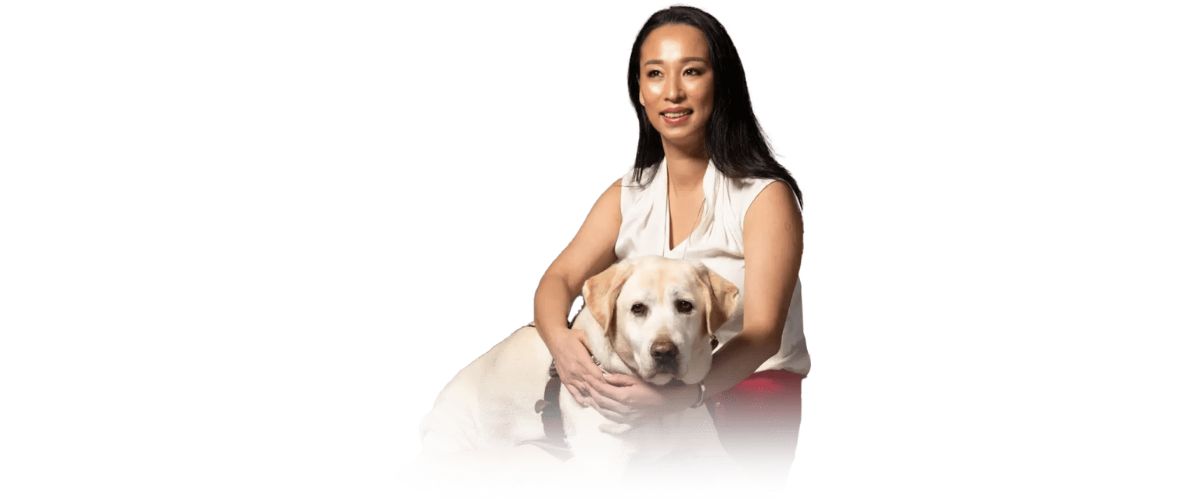
Cassandra Chiu
Marriage and Relationship Counsellor
Registered Counsellor with the Singapore Association for Counselling
Cassandra Chiu is a registered counsellor with over 15 years’ experience supporting individuals and couples in Singapore. She holds a Master’s in Professional Counselling and has completed Gottman Method Couples Therapy Level 1 and Level 2 training. Her approach is warm, direct and purposeful, helping clients navigate difficult conversations, understand relationship patterns and work towards meaningful change.

