
You will see both relationship counselling and couples therapy used to describe support for couples. In my practice, we begin with what is happening in your relationship and what you want to change. I use assessment, guided conversations and practical exercises according to your needs. You do not need to decide which label fits before getting in touch.
What Is Relationship Counselling?
Relationship counselling helps couples understand what is happening in their relationship, improve communication and work through recurring difficulties together. It can be helpful for couples who are dating, living together or married, especially when the same issues keep coming up, or conversations are becoming harder to navigate.
Sessions may help you:
- Communicate more openly and calmly.
- Recognise patterns that contribute to conflict.
- Listen to each other with less defensiveness.
- Approach difficult conversations more constructively.
- Understand each other’s needs and expectations more clearly.
Even small changes in how you communicate can make day-to-day interactions feel less tense and more manageable.
When Relationship Counselling May Help
You do not need to wait until things feel unmanageable before seeking support. You might consider counselling if:
- You keep having the same arguments without resolving them.
- Conversations about money, family or responsibilities often become tense.
- You feel less connected or understood by your partner.
- Small disagreements are becoming harder to manage.
- You want to strengthen the relationship before making a bigger commitment.
What Is Couples Therapy?
Couples therapy is another term for working together on relationship concerns. This can include repeated conflict, a loss of trust, unresolved hurt or major life changes that have placed ongoing strain on the relationship.
Sessions use structure to help you understand the patterns behind these difficulties and work through them together. Depending on your needs, our work may focus on:
- Rebuilding trust after a betrayal or affair.
- Breaking long-standing cycles of conflict.
- Working through resentment or emotional distance.
- Strengthening connection and friendship.
- Managing difficult conversations more constructively.
Couples therapy may take place over a longer period when concerns have built up over time. The aim is not to make the process feel more clinical, but to give both partners enough space to understand what has happened, address underlying issues and work towards healthier ways of relating to each other.

Which One Is Right for You?
The right starting point depends on what you and your partner are going through and what you want to change. The terms counselling and therapy overlap; they do not describe separate levels of support in my practice.
A therapist can help you make sense of what is happening in the relationship and guide you towards the type of support that feels most appropriate for both of you.
What to Expect from Either Path
Whether you choose relationship counselling or couples therapy, the process is generally similar. Sessions give both partners space to speak openly in a confidential and supportive setting, while the therapist helps guide the conversation towards understanding, healthier communication and practical ways forward.
The First Session
The first session usually focuses on getting to know your relationship and what has brought you to therapy. Both partners will have a chance to share their concerns, relationship history and what they hope to change or improve.
From there, the therapist can help identify the main areas to work on and agree on a direction for future sessions.
Ongoing Sessions
Later sessions build on those priorities and may introduce practical tools for communication, conflict management and emotional connection. Some couples may begin to notice changes within the first few sessions, while deeper or long-standing concerns may take more time to work through.
The pace will depend on your relationship, the issues you are facing and what both of you hope to achieve together.
Book a Session with a Relationship Counsellor Today
Whether relationship counselling or couples therapy feels like the better fit, reaching out can give you both space to understand what is happening and what you would like to change. You do not need to have all the answers before your first session, as part of the process is working through those questions together.
Our counsellor, Cassandra Chiu, is a psychotherapist and counsellor with over 15 years’ experience supporting couples in Singapore. She holds a Master’s in Professional Counselling, is trained in the Gottman Method of Couples Therapy and is a Registered Counsellor with the Singapore Association for Counselling. Her approach is shaped around what you and your partner need rather than following a single fixed way of working.
Learn more about relationship counselling or get in touch to arrange a session.
Frequently Asked Questions About Relationship Counselling and Couples Therapy
They are closely related and are sometimes used interchangeably, although practitioners may use the terms differently depending on their approach.
No. Relationship counselling and couples therapy are open to any couple, including those who are dating, engaged or living together. The label "couples" simply refers to the fact that both partners attend, not your relationship status.
You do not need to choose between these labels before seeking support. We begin by understanding your relationship, the concerns you want to address and what you hope to change. I then shape the work around your needs, whether the difficulties are recent or longstanding.
The number of sessions varies from couple to couple. Some may notice changes within the first few sessions, while deeper or long-standing concerns may require more time. After the first few sessions, your counsellor can usually give you a clearer sense of what may be helpful for your relationship.
Yes. Individual sessions can still be helpful if your partner is not ready to attend. However, joint sessions may be recommended when appropriate so both partners can explore relationship concerns together with support from the counsellor.
Our Counselor
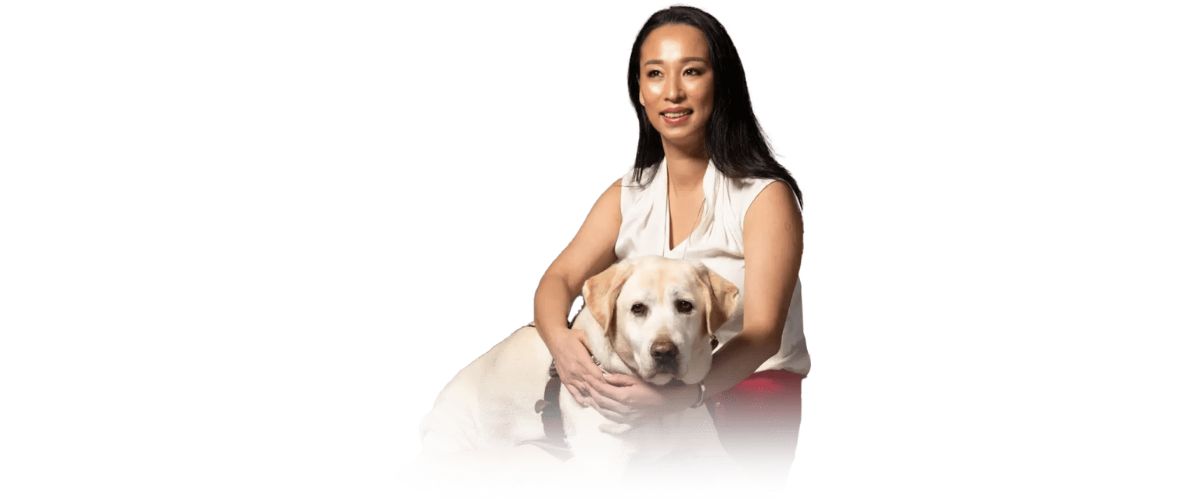
Cassandra Chiu
Marriage and Relationship Counsellor
Registered Counsellor with the Singapore Association for Counselling
Cassandra Chiu is a registered counsellor with over 15 years’ experience supporting individuals and couples in Singapore. She holds a Master’s in Professional Counselling and has completed Gottman Method Couples Therapy Level 1 and Level 2 training. Her approach is warm, direct and purposeful, helping clients navigate difficult conversations, understand relationship patterns and work towards meaningful change.

