
You want more than an evening without an argument.
You want to enjoy each other again. To raise a concern without regretting it. To feel that when something matters, your partner is there with you.
Perhaps you have had good conversations before. You understood each other, made promises and felt hopeful. Then work became demanding, family responsibilities took over and familiar frustrations returned.
Couples counselling helps you strengthen your relationship by working through difficult conversations, rebuilding everyday connection and turning shared intentions into practical changes. Together, we identify what matters to you and review what is changing outside the sessions.
I’m Cassandra Chiu, a Registered Counsellor with over 15 years’ experience supporting couples. In my marriage and relationship counselling practice, I help you understand what needs attention, work through difficult exchanges and build on the connection you want to keep.
What does a stronger relationship look like for you?
You may want to feel more affectionate, share responsibilities more fairly or recover more easily after disagreements.
Your partner may have a different starting point. They might want to feel appreciated, trusted or able to speak without expecting criticism.
Early in our work, I help you make those hopes more specific.
“Better communication” might mean being able to discuss money without the conversation becoming personal. “More closeness” might mean sharing something upsetting and feeling understood before receiving advice.
When we know what you are hoping for, we have a clearer direction—and something meaningful to review together.
Moving beyond another good conversation
Understanding each other during a session can be valuable. What happens afterwards matters too.
An agreement to spend more time together may sound promising, but leave practical questions unanswered. When will that time happen? Who will arrange it? What keeps getting in the way?
I help couples connect the conversation to their everyday circumstances. We consider what each person is agreeing to, whether it is realistic and how you will know it is helping.
If an agreement does not hold, we explore why. Was it unclear? Did you want different things? Was someone agreeing to end the discussion rather than committing to the change?
We also distinguish between concerns that need clearer communication and actions that need to change. If you have explained many times that household responsibilities feel uneven, asking you to describe your frustration more gently would leave an important part of the problem untouched.
We can understand both partners’ experiences while keeping each person responsible for their choices. That gives us useful work to do when you return.
Where an affair or another betrayal has damaged trust, the work also needs to address accountability and repair. Read more about counselling after an affair.
Finding each other in ordinary moments
Connection does not only happen during a holiday or a carefully planned date.
It may be there when one of you mentions a difficult day, shares something amusing or reaches for a little affection.
Those moments can easily disappear into busy routines. A distracted reply may feel insignificant to one partner and like another missed connection to the other.
In counselling, I help you explore how you reach for each other and what happens next. We look for ways of responding that feel natural and meaningful to you, rather than adding another task to an already crowded week.
If you have begun feeling more like housemates, read more about emotional distance and feeling lonely in a relationship.
Learning to repair a difficult exchange
A stronger relationship still has disagreements.
What can change is how you respond when a conversation goes badly—and whether you can find your way back to each other.
An apology may not reach your partner if it is immediately followed by an explanation. An attempt to lighten the mood may feel dismissive when the hurt has not been acknowledged.
In sessions, we can pause at those moments. I help clarify what remains unresolved and what each person needs to understand before moving on.
Sometimes a partner needs help acknowledging the impact of their words. Sometimes the other needs room to explain why an apology has not yet felt sufficient.
We work towards repair that addresses what happened and supports a different response next time.

Building on what still works between you
When difficulties have taken up a lot of space, it can become harder to notice the connection that remains.
You may still make each other laugh, show care during illness or work well together through a practical challenge. There may be conversations that go better under certain circumstances.
I pay attention to those moments too.
We explore what made them possible and whether there is something useful to build on. Perhaps there was less pressure, a clearer request or more room to listen.
Recognising a strength gives us another route into change. It also helps keep your relationship from becoming defined entirely by its difficulties.
How will we know counselling is helping?
We review progress against what matters to you.
Can you raise a concern more readily? Are agreements being kept? Do you feel more able to turn towards each other? When something goes wrong, can you address it without losing the rest of the evening—or the next few days?
You may notice different changes at different times. One partner may feel encouraged while the other still needs something important to happen.
We make room for that difference. It helps us understand what is improving, what remains difficult and where to focus next.
If you would like help turning these hopes into changes in your own relationship, contact me about a first appointment.
What is my approach?
My approach is warm, direct and practical. You will work with me throughout your appointments.
I use the Gottman Method as my main framework for couples work, supported by Solution-Focused Brief Therapy and Cognitive Behavioural Therapy where helpful.
I help you notice what happens between you during difficult exchanges, clarify what is being missed and practise responses that fit your relationship. We also look at the actions needed outside the counselling room.
Explore how I use the Gottman Method, or read more about my background and qualifications.
What happens in the first appointment?
Your initial appointment gives us up to 90 minutes to understand what has been happening and begin working together.
We explore your concerns, what you have already tried and what you hope will change. As time allows, we also begin working on one specific difficulty—perhaps slowing down a tense exchange, helping you express something that has been hard to say or finding a practical way to ease some of the pressure.
You do not need to arrive with an agreed explanation or decide who will speak first. I will guide the conversation and help us identify a useful starting point.
Where individual meetings form part of couples counselling, I explain their purpose and confidentiality arrangements beforehand. Separate individual counselling remains a distinct stream of work.
Do we need to be in a crisis?
No. You can seek counselling because you want to protect a relationship that matters to you.
You may be preparing for a change, noticing a pattern you do not want to deepen or wanting help with conversations you keep postponing.
You can also come when things have been difficult for some time. We begin with where you are now and what each of you wants from the work.
If your partner is not ready, you can seek individual counselling to clarify your experience and next steps. You are not taking responsibility for changing both sides of the relationship.
Where there is abuse, coercive control or fear of a partner, please let me know before arranging a joint appointment so we can consider an appropriate starting point.
Make time for the relationship you want to build
You may want to feel closer, enjoy more of your time together or know that difficult conversations can lead somewhere useful.
We can begin with those hopes and work on the changes that would make a difference to your everyday life.
I welcome married and unmarried couples, including gay and lesbian couples. Appointments are available at my Rocca Balestier practice in Singapore and through online couples counselling.
The initial appointment is S$400 for up to 90 minutes. Follow-ups are S$250 per one-hour appointment block, including approximately 50 minutes of counselling. No GST is charged. The first hour is charged in full. Any additional time is agreed beforehand and charged in 15-minute increments at S$62.50 per increment.
View counselling fees and packages, or contact me about a counselling appointment.
Our Counsellor
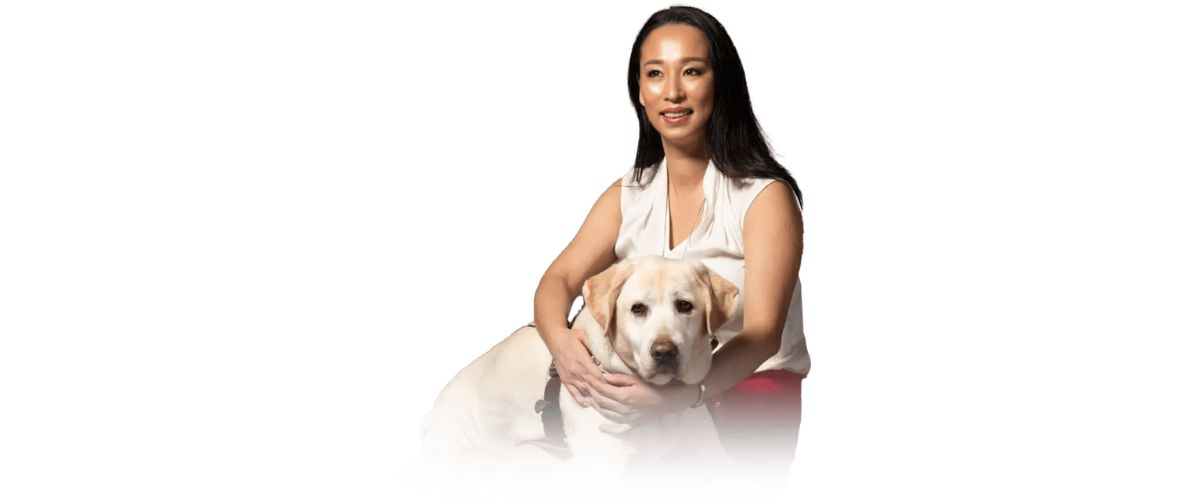
Cassandra Chiu
Marriage and Relationship Counsellor
Registered Counsellor with the Singapore Association for Counselling
Cassandra Chiu is a Registered Counsellor with the Singapore Association for Counselling, with over 15 years’ experience supporting individuals and couples. She holds a Master of Social Science in Professional Counselling from Swinburne University of Technology, is a Master Solution-Focused Practitioner and a Certified Solution Focused Practitioner in Therapy, and has completed Gottman Method Couples Therapy Level 1 and Level 2 training. Her approach is warm, direct and purposeful, with clear goals and progress reviewed together. Read more about Cassandra’s background and approach.

